Designing a Comfortable Home Office Inside a Condominium

Creating a comfortable home office inside a condominium allows residents to balance professional responsibilities with personal comfort. A thoughtfully arranged workspace can improve concentration, encourage productivity, and make everyday tasks more enjoyable. When exploring residential options such as one chuan grove, considering available interior space and natural lighting can help inspire practical home office ideas. With suitable furniture, organized storage, and calming decorative touches, even a compact corner can become an efficient working environment that supports creativity and a healthy daily routine.

1. Choose the Right Workspace

Selecting an appropriate location is the first step toward creating a productive home office. A quiet corner or unused section of a bedroom can provide sufficient space without interrupting other household activities.

  • Choose an area with minimal distractions.
  • Position the desk near natural light.
  • Select a corner with comfortable ventilation.
  • Maintain enough room for easy movement.
  • Separate work essentials from personal belongings.
  • Use a consistent workspace to establish daily routines.

A clearly defined working area helps create structure while maintaining the comfortable atmosphere of condominium living.

2. Invest in Comfortable Furniture

Modern Hous

Furniture influences posture, convenience, and overall working comfort. Selecting suitable pieces helps make long working sessions more manageable.

  • Ergonomic chair: Supports comfortable sitting.
  • Spacious desk: Provides room for essential equipment.
  • Adjustable lighting: Improves visibility during different tasks.
  • Footrest: Encourages a relaxed sitting position.
  • Compact shelving: Keeps frequently used materials accessible.
  • Cable organizers: Maintain a tidy workstation.

Choosing furniture that fits the available floor area helps create a balanced interior without making the room feel crowded.

3. Maximize Natural and Artificial Lighting

Good lighting makes a home office more inviting and supports comfortable daily work. Natural daylight can create a refreshing atmosphere, while carefully positioned lamps provide consistent illumination when sunlight changes.

  • Place the desk beside a suitable window.
  • Use light curtains to soften daylight.
  • Add a desk lamp for focused tasks.
  • Choose warm lighting for a relaxing atmosphere.
  • Position screens to reduce distracting reflections.
  • Keep windows unobstructed whenever practical.

A well-lit workspace feels open, pleasant, and suitable for different professional activities.

4. Organize Storage and Working Materials

An organized office reduces unnecessary searching and makes it easier to concentrate. Smart storage solutions also help maintain a clean appearance in smaller condominium interiors.

  • Install floating shelves to save floor space.
  • Use drawer organizers for stationery.
  • Store documents in labeled folders.
  • Keep essential accessories within reach.
  • Choose multifunctional furniture with hidden storage.
  • Clear the desk at the end of each day.

These simple habits support efficient routines and preserve valuable living space.

5. Create a Calm and Inspiring Atmosphere

Personal touches can transform a basic desk into an enjoyable working environment. A balanced combination of colors, textures, and decorative elements creates visual interest without overwhelming the space.

  • Add a small indoor plant.
  • Display inspiring artwork or photographs.
  • Choose soothing, coordinated colors.
  • Introduce soft furnishings for warmth.
  • Keep decorations simple and meaningful.
  • Maintain comfortable indoor temperatures.

6. Balance Productivity With Home Comfort

A successful home office should support professional goals while preserving the relaxing character of the home. When evaluating one chuan grove price, consider how the available layout, storage opportunities, and natural lighting could accommodate a practical workspace. With thoughtful planning, comfortable furniture, organized surroundings, and consistent working habits, condominium residents can create a productive office that complements their lifestyle and makes working from home more enjoyable.


Audience Growth Opportunities Through Professional Twitter Marketing Solutions

Building a growing audience begins with meaningful communication, consistent value, and understanding what people want to discover. Professional marketing support can bring these elements together through planning and creative execution. A focused approach, supported by resources such as https://ghostreply.agency, can help shape a recognizable presence, encourage participation, and create lasting connections with audiences.

Establishing a Clear Audience Strategy

Growth starts with knowing whom a message should reach. Defining audience interests, needs, and preferences helps create content that feels relevant instead of generic. A well-organized strategy can identify useful themes, establish a consistent voice, and guide every interaction toward a shared purpose.

Important planning steps include:

  • Describe the ideal audience clearly.
  • Identify topics that inspire interest.
  • Set realistic growth objectives.
  • Choose a consistent communication style.
  • Plan content around audience needs.
  • Review progress regularly.

These foundations make communication more focused and help each activity contribute to steady development.

Creating Content People Want to Share

Marketing Agency

Useful, engaging content gives audiences a reason to follow, respond, and recommend a profile to others. Professional support can balance informative updates with approachable storytelling, keeping communication fresh and recognizable.

Effective content opportunities include:

  • Share practical tips and helpful insights.
  • Publish concise updates with clear value.
  • Ask questions that invite thoughtful replies.
  • Highlight useful ideas through visual content.
  • Celebrate milestones and positive community moments.
  • Turn common questions into informative posts.

A varied content mix encourages repeat visits and gives audiences several ways to participate.

Building Stronger Community Connections

Audience growth becomes more meaningful when new followers feel welcomed and valued. Timely responses, considerate conversations, and genuine appreciation can turn interactions into relationships. A consistent engagement routine also helps maintain an active, approachable presence.

Professional marketing solutions can support activities such as:

  • Responding to comments with helpful information.
  • Joining relevant conversations respectfully.
  • Acknowledging audience suggestions and feedback.
  • Encouraging discussions around shared interests.
  • Recognizing loyal and active community members.

These practices create a positive environment where people feel comfortable contributing and sharing their perspectives.

Improving Reach Through Consistent Evaluation

Growth strategies become more effective when performance is reviewed and refined. Tracking audience responses can reveal which subjects attract attention, what formats encourage interaction, and when communication performs best. These observations help guide future planning confidently.

Useful areas to evaluate include:

  • Follower growth over time.
  • Engagement across different content themes.
  • Shares, replies, and meaningful conversations.
  • Audience responses to campaign messages.
  • Consistency of publishing and interaction.

Regular evaluation supports practical adjustments while keeping long-term goals in view. It also helps teams invest effort in activities that provide genuine value.

Turning Visibility Into Lasting Growth

Professional support brings strategy, creativity, and ongoing attention into one coordinated process. With clear goals and audience-focused communication, businesses can strengthen visibility, develop trust, and encourage valuable connections over time. A thoughtful partnership with ghostreply can help maintain consistent messaging, discover fresh engagement opportunities, and support continued audience development through positive, purposeful marketing.

Illustrated Parts Documentation Supports Convenient Component Identification

Accurate component identification plays an important role in maintaining agricultural machinery and supporting efficient repair activities. Clear illustrations combined with detailed parts information make it easier for equipment owners and technicians to recognize individual components. Illustrated Parts Documentation provides valuable visual guidance that simplifies maintenance planning, improves parts awareness, and encourages organized workshop operations. With accessible diagrams and structured descriptions, users can develop a better understanding of machinery assemblies and their connections.

Clear Visual Diagrams Improve Component Recognition

Detailed illustrations offer a convenient way to understand the arrangement of different machinery components. By presenting individual parts through organized drawings, technical documentation makes identification more straightforward and supports confident maintenance decisions.

  • Provides clear visual representations of individual components.
  • Helps distinguish similar-looking mechanical parts.
  • Shows how different assemblies connect.
  • Supports quicker recognition during inspection activities.
  • Improves overall understanding of machinery construction.

Organized Parts Information Supports Efficient Maintenance

Well-arranged parts information allows technicians to locate relevant component details without unnecessary difficulty. Consistent descriptions, reference numbers, and illustrations create a practical resource for workshop activities and routine servicing requirements.

  • Makes component references easier to locate.
  • Supports accurate parts identification.
  • Encourages organized inventory management.
  • Helps prepare suitable replacement components.
  • Improves coordination during maintenance work.

Detailed Assembly Views Encourage Better Understanding

Exploded diagrams provide useful insights into how individual components fit together within larger mechanical assemblies. These visual references help readers understand component relationships and develop familiarity with the internal structure of different machinery systems.

  • Illustrates the positioning of individual parts.
  • Highlights connections between related components.
  • Makes assembly arrangements easier to understand.
  • Supports accurate component comparisons.
  • Encourages greater technical confidence.

Technical References Simplify Repair Preparation

Reliable documentation contributes to smoother repair preparation by providing useful information before maintenance activities begin. Resources such as the John Deere Skid Steer Service Manual demonstrate the value of combining technical guidance with component-related information for improved equipment understanding.

  • Helps identify relevant components before servicing.
  • Supports effective preparation of replacement parts.
  • Encourages better workshop organization.
  • Reduces unnecessary confusion during repair planning.
  • Promotes consistent maintenance practices.

Improved Documentation Strengthens Workshop Productivity

Accessible illustrations and structured component references create a more convenient working environment for technicians. When essential information is presented clearly, maintenance teams can communicate more effectively and approach equipment-related tasks with greater confidence.

  • Makes technical information easier to share.
  • Supports smoother communication between technicians.
  • Encourages consistent component identification.
  • Helps maintain organized service records.
  • Contributes to productive workshop activities.

Convenient References Support Long-Term Equipment Care

Keeping illustrated parts information accessible encourages a proactive approach to machinery maintenance. Regular consultation of accurate documentation helps equipment owners understand component arrangements, recognize maintenance requirements, and maintain better awareness of machinery condition.

  • Supports routine equipment inspections.
  • Encourages informed maintenance planning.
  • Improves familiarity with mechanical assemblies.
  • Helps maintain useful component records.
  • Promotes dependable equipment care.

Conclusion

Illustrated parts documentation offers practical advantages by making component identification clearer, faster, and more convenient. Through detailed diagrams, organized references, and accessible technical descriptions, these resources support effective maintenance preparation and productive workshop operations. Consistent use of visual parts information also strengthens technical understanding, encourages accurate servicing decisions, and contributes positively to equipment reliability and long-term performance

Reliable Fire Safety Coverage for Commercial Building Operations

Commercial buildings depend on coordinated safety practices to protect people and daily operations. A reliable fire safety plan combines prevention, monitoring, clear communication, and prompt response. Consistent coverage supports business continuity and helps employees focus on their responsibilities.

Building a Strong Foundation

Effective fire safety begins with understanding the building’s layout and activities. A well-organized plan identifies important areas, establishes patrol routines, and explains how concerns should be reported. Clear responsibilities help everyone contribute to a safer workplace.

Key elements include:

  • Reviewing fire prevention procedures regularly.
  • Keeping exits, corridors, and access routes clear.
  • Checking that alarms and safety equipment remain accessible.
  • Identifying areas where heat-producing work takes place.
  • Sharing emergency instructions with employees and visitors.
  • Maintaining inspection and incident records.

These measures encourage awareness and make safety an everyday priority.

Consistent Monitoring Across the Property

Fire Watch Guards

Routine observation is valuable in buildings with active operations, maintenance work, storage areas, or temporary equipment. Trained fire watch personnel can monitor designated spaces, recognize unusual conditions, and communicate concerns early. Their presence adds protection while supporting established safety procedures.

A dependable patrol schedule may include:

  • Inspecting high-activity areas at planned intervals.
  • Watching for smoke, sparks, unusual heat, or burning odors.
  • Checking that combustible materials are stored appropriately.
  • Confirming that fire doors and exits remain unobstructed.
  • Reporting hazards promptly to the responsible contact.
  • Recording patrol findings and completed actions.

Consistent coverage helps management identify recurring concerns and improve prevention practices.

Choosing Support That Matches Operational Needs

Commercial properties have different layouts, occupancy patterns, and working schedules. When evaluating fire watch companies near me, property managers can consider training, communication standards, staffing flexibility, patrol documentation, and the ability to follow building-specific procedures. A suitable service arrangement should complement the emergency plan.

Helpful selection considerations include:

  • Experience supporting commercial environments.
  • Personnel trained in observation and emergency communication.
  • Coverage options for daytime, overnight, and temporary needs.
  • Clear reporting methods and dependable supervision.
  • Coordination with building management.
  • Flexibility when activities or risk conditions change.

A thoughtful selection process supports dependable service and a productive working relationship.

Strengthening Everyday Readiness

Fire safety coverage works best when integrated with employee awareness and routine building management. Staff should know how to raise an alert, where to assemble, and whom to contact during an emergency. Regular reviews and practice exercises keep these steps familiar.

Managers can reinforce readiness by:

  • Scheduling periodic safety briefings.
  • Reviewing evacuation routes after layout changes.
  • Checking emergency lighting and visible safety signs.
  • Encouraging prompt reporting of unusual conditions.
  • Updating contact details and response responsibilities.
  • Reviewing patrol records for improvement opportunities.

Supporting Confidence and Continuity

Reliable fire safety coverage is an investment in people, property, and uninterrupted operations. Through consistent monitoring, trained personnel, clear procedures, and communication, commercial buildings can maintain stronger preparedness. A proactive approach helps protect daily activities while building a workplace culture centered on care, responsibility, and confidence.

Practical Tire Purchasing Options for Independent Truck Operators

Independent truck operators benefit from tire purchasing decisions that balance dependable performance, manageable costs, and convenient access. A thoughtful approach keeps vehicles ready for demanding schedules while supporting confident planning. Comparing options and understanding operating needs helps drivers choose tires that deliver lasting value and reliable road contact.

Understand Everyday Operating Needs

Review how the truck is used throughout a typical working week. Load weight, mileage, road surfaces, driving patterns, and seasonal conditions influence suitable tire features. Matching the tire to its application supports even wear, stable handling, and efficient operation.

Consider these points before purchasing:

  • Vehicle requirements: Check recommended tire size, load capacity, and specifications.
  • Route conditions: Consider highway mileage, mixed surfaces, and frequent stops.
  • Workload patterns: Match construction and performance features to regular demands.
  • Replacement timing: Plan purchases before tread wear reaches the replacement limit.
  • Axle position: Select suitable options for steering, drive, and trailer positions.

Compare Purchasing Channels

Independent operators can explore several purchasing arrangements. Tire retailers may provide personal guidance, product selection, fitting, and maintenance support. Wholesale suppliers can offer useful choices for operators purchasing multiple tires or planning replacements. Online catalogs make it easier to compare specifications, availability, and pricing before deciding.

A balanced comparison includes more than the initial price. Review warranty coverage, delivery arrangements, fitting costs, service support, and expected tire life. Clear information helps reveal the complete value of each option. When reviewing specifications or asking a supplier about available choices, take time to Get details about construction, performance ratings, and care recommendations.

Plan a Manageable Tire Budget

A practical budget helps operators maintain consistent equipment standards while protecting cash flow. Compare purchase price with expected mileage and included support. A suitable tire with dependable construction may provide better long-term value than one selected only for its low upfront cost.

Helpful budgeting habits include:

  • Set aside funds for planned replacements.
  • Compare complete fitted prices from several sellers.
  • Ask about bulk-purchase savings where relevant.
  • Review warranty terms before confirming an order.
  • Keep records of purchase dates and tire positions.
  • Consider delivery costs and scheduling convenience.

Build a Reliable Replacement Routine

Good purchasing decisions work best alongside regular tire care. Check inflation pressure, inspect tread depth, and look for visible damage during routine vehicle checks. Proper alignment, balanced wheels, and timely rotation can promote even wear when recommended for the tire and vehicle.

Keep a replacement schedule based on mileage, inspections, and workload. Accurate records make future purchasing easier because previous sizes, performance, and service intervals remain readily available.

Choose With Confidence

Practical tire purchasing means finding the right combination of suitability, availability, support, and overall value. By comparing suppliers, planning spending, and monitoring tire condition, independent truck operators can make informed decisions that support dependable journeys and productive working days. A consistent approach turns each replacement into an opportunity to strengthen vehicle readiness and maintain smooth operations.

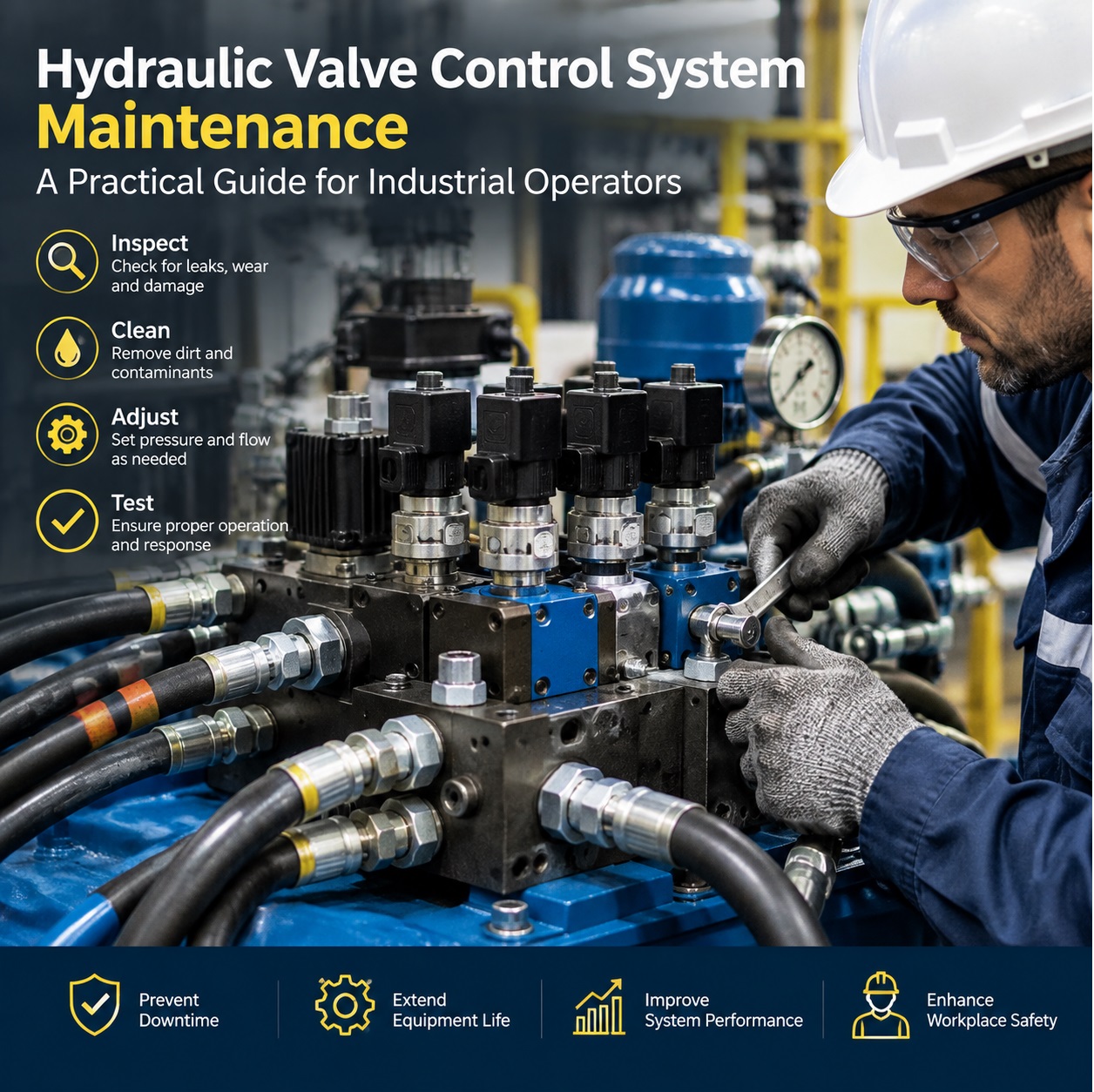
Hydraulic Valve Control System Maintenance: A Practical Guide for Industrial Operators


Hydraulic BackfillThat machine didn’t fail because of bad luck. It failed because someone ignored the small stuff for eighteen months, and the valve finally decided to make them pay for it. I’ve walked into too many plants where a $400 valve turned into a $40,000 production stoppage, and every single time, the operator on shift said the same thing: “It was running fine yesterday.” It was not running fine. It was running on borrowed time.

So let’s talk about what actually keeps a hydraulic valve control system alive, without the textbook fluff.

First, understand what you’re dealing with. A hydraulic valve control system is not just a block of metal with a spool inside. It is a precision instrument that lives in a hostile environment. Contamination, heat, pressure spikes, and dirty fluid are all trying to kill it every hour of every shift. Your job is not to be a hero who rebuilds it after a failure. Your job is to make sure the failure never gets the chance.

The number one killer is contamination. Not the big chunks you can see. I’m talking about particles smaller than a grain of talc, floating in your oil, acting like liquid sandpaper on every spool land and bore. A single gram of dirt in a 200-liter reservoir can destroy a valve in weeks. This is why filter maintenance is not optional. Check your return-line filters and pressure filters on a fixed schedule, not when the clog indicator pops. That indicator is a last warning, not a maintenance trigger. If you wait for it, you have already been circulating abrasive fluid through your valves for days.

Here is a habit worth building. Every Monday morning, before the first shift starts, pull a fluid sample from the reservoir and look at it against a white background. Not a lab test. Just your eyes. If it looks cloudy, you have water or air entrainment. If it smells burnt, you have heat damage. If it feels gritty between your fingers, you have a contamination problem that is already eating your valve spools. Ten seconds of this beats a hundred pages of diagnostic data.

Now, about those spools. The clearance between a spool and its bore is measured in microns. That is roughly the thickness of a human hair split twenty times. When a spool starts sticking, you will feel it before you see it. The machine will hesitate. The actuator will drift. The pressure gauge will twitch instead of holding steady. This is the moment to act, not after the valve seizes completely and you are pulling it out with a crane.

Sticking spools usually come down to three things: varnish from overheated oil, contamination wedged in the clearance, or a bent stem from a pressure spike. Varnish is the sneaky one. It builds up slowly, like cholesterol in an artery, and one day the spool just cannot move. The fix is not to crank up the pilot pressure. The fix is to keep your oil temperature in the range your valve manufacturer specified, usually between 40 and 55 degrees Celsius. Run it hotter and you cook the oil. Run it colder and you get sluggish response and cavitation. Both destroy valves.

Let’s talk about the electrical side, because this is where a lot of operators get caught out. A solenoid that is not receiving full voltage will still click. It will still make noise. But it will not shift the spool all the way, and you end up with a valve that is half-open, generating heat and contaminating your fluid with burnt insulation particles. Check your coil voltage under load, not just at rest. A coil that reads 24 volts when idle can drop to 18 volts when the machine is working, and that is enough to cause partial shifting. If you see a voltage drop, find the corroded connector or the undersized wire. Do not just replace the coil and hope.

Pressure settings matter more than most people admit. Every valve has a pressure rating, and every system has a relief setting. When someone decides to “get a little more power” by cranking up the relief valve, they are not getting more power. They are buying a future failure. Overpressure flexes the valve body, distorts the spool bore, and shortens seal life. If a machine is losing force, find out why. Do not just raise the pressure and walk away. That is not maintenance. That is sabotage with a wrench.

Here is a practical routine that works in real plants, not just in theory.

Daily, do a walk-around. Listen to the system. A healthy hydraulic valve sounds like a steady hum. A failing one clicks, chatters, or whines. Touch the valve body if it is safe. It should be warm, not hot. Check for external leaks at the end caps and fittings. A single drop per minute is not “normal seepage.” It is a warning.

Weekly, check your filter indicators and drain any water from the reservoir. Water is heavier than oil, so it settles at the bottom. A quick bleed from the drain valve at the lowest point can remove a surprising amount of trouble.

Monthly, pull a fluid sample and send it for particle counting. You want to know your ISO cleanliness code. If it is drifting upward, find the source. It might be a failing breather, a torn wiper seal on a cylinder, or a return line that is dumping fluid back into the tank without filtration.

Annually, or every 2,000 hours, whichever comes first, remove and inspect your critical valves. Not all of them. Just the ones that control your most important functions. Look at the spool for scoring. Look at the seals for hardening or cracking. Look at the bore for varnish. If you catch these things early, a cleaning and seal kit costs a few hundred dollars. A new valve costs a few thousand. A production stoppage costs whatever your worst hour is worth.

One more thing. Document everything. Not because your manager wants paperwork, but because patterns reveal themselves over time. If you notice that the same valve fails every eight months, you do not have a valve problem. You have a system problem. Maybe it is heat. Maybe it is contamination from a specific actuator. Maybe it is a pressure spike when another function engages. Without records, you are just guessing. With records, you are diagnosing.

The truth is, hydraulic valve control systems are not fragile. They are actually incredibly robust. But they are also unforgiving. They do not tolerate neglect, and they do not give second chances once a spool seizes or a bore is scored. The operators who keep their machines running for decades are not the ones who know how to rebuild a valve. They are the ones who never have to. They keep the oil clean, the temperature steady, the pressure honest, and the electrical signal strong. That is the whole secret. Everything else is just details.

So next time you walk past a hydraulic power unit and hear that steady, quiet hum, take a second to appreciate it. That hum is not luck. That hum is maintenance done right.

Where to Buy Disposable Coveralls in Bulk: Tips for Finding a Reliable Manufacturer


Chemical Protective Coverall Your last bulk order of coveralls probably looked fine on the invoice. The trouble showed up three weeks later, when zippers started popping mid-shift and half the crew was standing around in split seams and bad moods.

That’s the thing about disposable coveralls. They’re cheap enough that nobody fights over the purchase order, and important enough that a bad batch can shut down a paint line, contaminate a cleanroom, or send someone home with chemical burns. So the question isn’t really “where do I buy these things.” It’s “who do I trust with a container load.”

Let me save you a few expensive lessons.

First, understand what you’re actually shopping for. “Disposable coverall” covers everything from a 35 GSM polypropylene sack with a zipper to a microporous film suit with taped seams that passes Type 5 and Type 6 testing. Those are not the same product, and the price gap between them is enormous. If your supplier quotes you one number without asking what you need it for, they’re either guessing or hoping you don’t know the difference.

The materials, roughly, in order of protection and cost:

– PP nonwoven: breathable, cheap, good for dust and light dirt. Not much of a liquid barrier. – SMS (spunbond-meltblown-spunbond): better particle and splash resistance while staying breathable. The workhorse for most industrial and medical buyers. – Microporous film laminated to nonwoven: liquid-tight, often used for Type 5/6 suits and chemical handling. Less breathable, more protective.

Seams matter as much as fabric. Serged seams are the budget option. Bound or taped seams cost more and are what you want if there’s any chance of liquid exposure. Ask specifically. A lot of suppliers will quote serged and let you assume taped.

Now the actual sourcing part.

Alibaba, Made-in-China, and the various B2B marketplaces are full of “manufacturers” that are really trading companies with a nice website and a warehouse. That’s not automatically a scam, but you’re paying a markup for someone to forward your email to a factory. Fifteen to thirty percent, typically. Sometimes more.

So how do you tell the difference? Ask for the factory address and then look it up on a satellite map. Ask for a business license and check that the registered scope includes manufacturing, not just “trading” or “import and export.” Ask for video of the production line, filmed that day, with something showing the date. A real factory will send it within a day. A trading company will send you a stock clip from 2019 or stall.

Capacity questions separate the real players too. How many coveralls can you produce per month in this specific style? What’s your current lead time on a 20-foot container? Who are three current bulk customers I can call? If they can’t answer those without a week of “let me check with my manager,” walk away.

Certifications are non-negotiable depending on your market:

– CE marking with the right category for Europe. – Type 5 (EN 13982-1) for hazardous dry particles. – Type 6 (EN 13034) for limited liquid chemical splash. – EN 14126 if there’s any biological hazard involved. – ISO 9001 for general quality systems, ISO 13485 if the product is going into medical channels.

Ask for the actual test reports, not just a logo on a brochure. Certificates get borrowed, copied, and expired. Check the certificate number against the issuing body’s database. It takes five minutes.

Then there’s the price trap. If a quote comes in 30 percent under everyone else, something is off. Usually it’s the fabric weight. A supplier says “40 GSM” and ships 32 GSM, and unless you’re weighing the suits yourself, you might not notice until they tear. Which is why you should order pre-production samples, cut one open, and weigh a square meter on a kitchen scale. It sounds obsessive. It’s also the fastest way to catch a liar.

Red flags worth taking seriously:

– No physical factory address, or an address that turns out to be a residential building. – Refusal to allow third-party inspection (SGS, Bureau Veritas, TÜV). Buyers who inspect are buyers who find problems. – Vague answers about GSM, seam type, or packaging specs. – Pressure to pay by wire to a personal account. – A “factory tour” that’s just a showroom and a conference room.

Once you’ve narrowed it down, negotiate the boring stuff in writing. MOQ, lead time, packaging (how many pieces per polybag, per carton), carton dimensions, and how many cartons fit in a 20-foot versus 40HQ container. A 20-footer usually holds somewhere in the range of 15,000 to 17,000 coveralls depending on size and packing; a 40HQ roughly doubles that. Get the exact number from your supplier before you book freight, because guessing wrong on cube is an expensive hobby.

Payment terms: 30 percent deposit, 70 percent against the bill of lading copy is standard. If you’re ordering serious volume, use a letter of credit or a platform with trade assurance. Never pay 100 percent upfront to a supplier you haven’t vetted.

The suppliers worth keeping are the ones that make this easy. They send samples without a fight. They answer technical questions with technical answers. They invite you to audit. They tell you when a style isn’t right for your application instead of selling you whatever’s in stock.

That last one is the real signal. A manufacturer who talks you out of a sale because the product doesn’t fit your hazard profile is a manufacturer who’ll still be around when you reorder.

So before you wire that deposit, get a sample, weigh the fabric, test the zipper, check the certificates, and ask the factory to show you its production floor live. Do that, and your next container load won’t end with a crew standing around in ripped suits, wondering who approved the purchase

Styling Stations Provide Practical Storage For Essential Styling Tools

A well-organized haircare space can make creative work more comfortable, efficient, and enjoyable. Thoughtfully designed styling furniture provides useful storage while keeping essential tools accessible, helping professionals maintain a neat environment and focus on delivering beautiful haircare results.

Keep Styling Essentials Organized

Practical storage makes it easier to arrange frequently used tools and accessories. A tidy workspace supports a smooth routine while creating an attractive atmosphere that feels comfortable for both professionals and clients.

  • Dedicated compartments help organize styling essentials.
  • Spacious surfaces provide convenient working room.
  • Storage areas keep frequently used tools accessible.
  • Neat arrangements help reduce visible clutter.
  • Organized spaces create a polished appearance.

Support A Smooth Styling Routine

Easy access to essential equipment can improve the flow of everyday haircare services. Thoughtful storage solutions allow professionals to keep important items close by while maintaining a comfortable and productive working environment.

  • Accessible storage saves valuable working time.
  • Convenient compartments support efficient organization.
  • Clearly arranged tools are easier to locate.
  • Open surfaces provide room for creative work.
  • Functional layouts encourage smoother routines.

Combine Storage With Attractive Design

Salon Station

Modern styling furniture can bring practical organization and visual appeal together. Elegant finishes, balanced layouts, and useful storage features can create a welcoming environment without compromising the functionality needed for regular styling activities.

  • Sleek surfaces create a refined impression.
  • Attractive finishes complement the surrounding decor.
  • Integrated storage supports a clean appearance.
  • Balanced designs contribute to visual harmony.
  • Functional details add everyday convenience.

Make Tools Easy To Access

A carefully arranged Salon Station can provide valuable space for keeping essential styling tools within comfortable reach. Smart storage features can support an orderly workspace while allowing professionals to move confidently through different haircare services.

  • Shelves provide convenient space for selected products.
  • Drawers can keep smaller accessories neatly arranged.
  • Counter areas offer room for frequently used items.
  • Compartments support better tool organization.
  • Accessible storage encourages an efficient workflow.

Create A Comfortable Working Environment

Organization can contribute greatly to a positive styling experience. When tools and products have dedicated spaces, the surrounding area can remain clear, comfortable, and visually appealing throughout regular haircare activities.

  • Clear work areas provide greater freedom of movement.
  • Organized tools support comfortable styling sessions.
  • Practical storage helps maintain a neat atmosphere.
  • Accessible essentials encourage confident service.
  • Clean surroundings create a welcoming impression.

Support Professional Presentation

A tidy styling area can strengthen the overall presentation of a haircare environment. Attractive furniture combined with practical storage demonstrates thoughtful organization and creates an atmosphere where clients can feel comfortable and appreciated.

  • Neatly stored tools create a professional appearance.
  • Coordinated furniture enhances visual appeal.
  • Organized products contribute to a welcoming setting.
  • Clean surfaces support a refreshed atmosphere.
  • Thoughtful storage reflects careful attention to detail.

Make Everyday Styling More Enjoyable

Effective storage can transform a busy styling area into a more organized and inspiring workspace. With practical compartments, accessible surfaces, and attractive designs, professionals can enjoy greater convenience while creating positive experiences for every client.

  • Efficient storage supports creative styling.
  • Organized tools encourage confident work.
  • Attractive furniture adds character to the space.
  • Practical layouts simplify everyday activities.
  • Comfortable environments make grooming sessions enjoyable.

Lunch Bags for Adults That Combine Function and Style

A well-designed lunch bag can make daily meal routines more convenient, organized, and enjoyable. With thoughtful features and attractive designs, adults can carry homemade meals comfortably while expressing their personal style. The right combination of practicality and appearance transforms an everyday essential into a useful accessory that supports healthier habits and effortless organization.

Discover the Perfect Balance of Function and Fashion

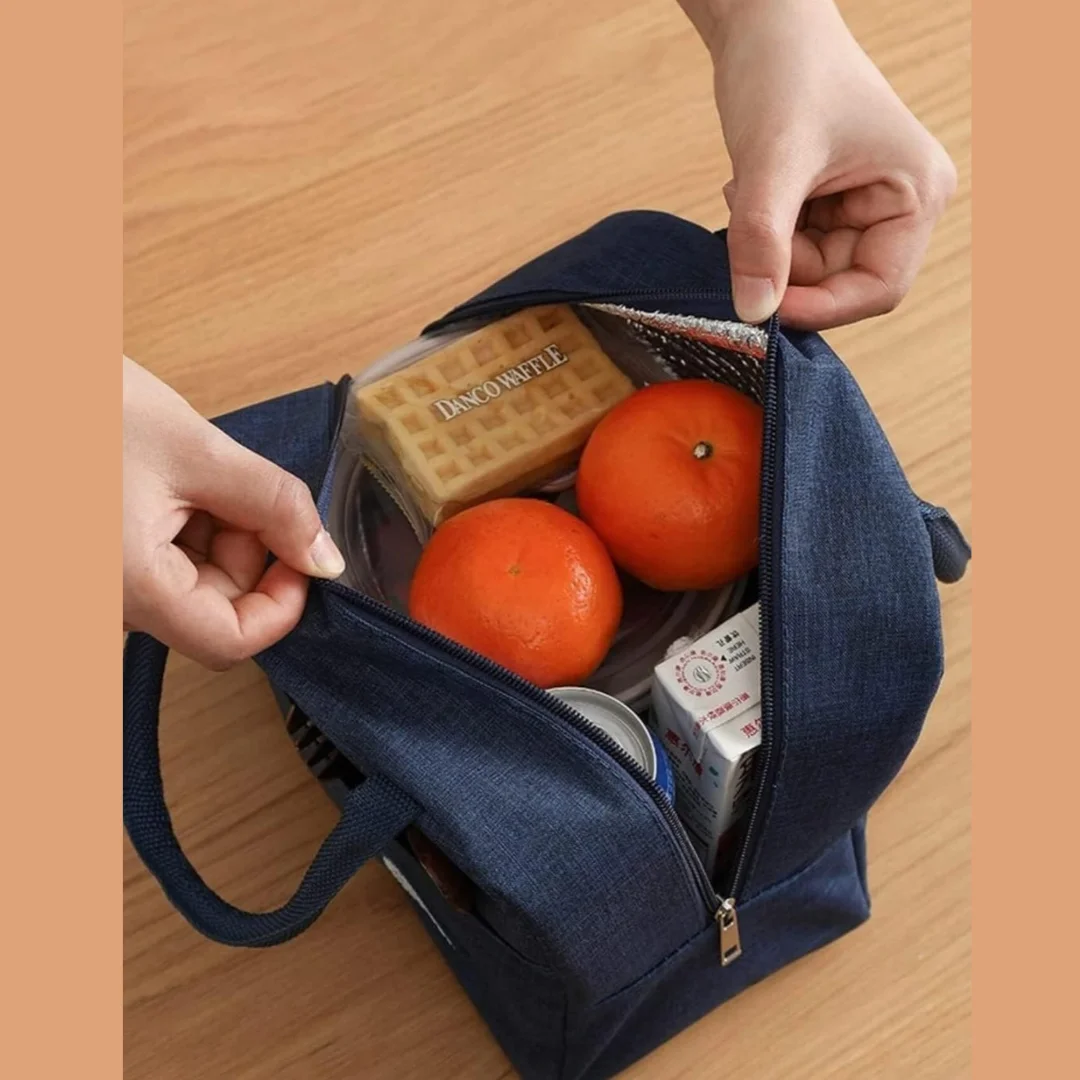
Modern Lunch Bags for Adults offer an appealing blend of spacious interiors, durable materials, and contemporary designs. Whether preparing a simple snack or packing a complete meal, adults can choose options that complement their routines and personal preferences.

Several features make these bags especially convenient:

  • Spacious compartments: Keep meals and snacks organized.
  • Insulated interiors: Help maintain suitable food temperatures.
  • Comfortable handles: Make everyday carrying easier.
  • Secure closures: Keep packed items neatly contained.
  • Lightweight construction: Support convenient daily transportation.
  • Attractive finishes: Add personality to practical accessories.

Stylish Designs for Everyday ConfidenceLunch Bags for Adults

A lunch bag can reflect individual taste just like any other everyday accessory. Clean shapes, appealing colors, subtle patterns, and refined textures create an attractive appearance without sacrificing usability.

Popular design elements include:

  • Neutral shades for a timeless appearance.
  • Soft colors for a fresh, cheerful look.
  • Minimalist patterns for understated elegance.
  • Structured shapes for a polished finish.
  • Modern textures for added visual interest.

Choosing a design that complements everyday bags, clothing, and accessories creates a coordinated appearance. Simple, versatile styles are especially useful because they suit different occasions and remain appealing across changing trends.

Practical Features That Simplify Meal Organization

An organized lunch bag helps make meal preparation smoother from morning to afternoon. Thoughtful storage features provide dedicated spaces for different items, making packed meals easier to arrange and access.

Look for useful additions such as:

  • Separate pockets for utensils and napkins.
  • Side compartments for reusable water bottles.
  • Wide openings for effortless packing.
  • Easy-to-clean linings for simple maintenance.
  • Strong zippers for dependable everyday use.
  • Flexible interiors for different container sizes.

These details help keep food containers secure while making the contents easier to manage. A well-organized interior also allows adults to pack balanced meals, fresh fruit, small snacks, and beverages without unnecessary clutter.

Choose Materials That Support Lasting Convenience

Material quality plays an important role in comfort, durability, and appearance. Selecting a lunch bag made with sturdy fabrics and reliable stitching can support regular use while maintaining an attractive finish.

Consider these practical qualities when choosing a suitable option:

  • Water-resistant outer materials for added convenience.
  • Durable seams for dependable everyday carrying.
  • Smooth linings for easier cleaning.
  • Insulated layers for temperature management.
  • Comfortable straps for flexible carrying options.

Reusable designs can also support more sustainable routines by reducing dependence on disposable food-carrying alternatives.

Make Every Meal Break More Enjoyable

The ideal lunch bag combines useful storage, comfortable handling, and a style that feels personal. Choosing the right size, design, and features makes daily meal preparation easier while encouraging consistent food-planning habits.

From compact designs for lighter meals to roomy options for complete lunches, there is a practical choice for different preferences. With thoughtful selection and simple care, a stylish lunch bag becomes a dependable everyday companion that brings convenience, organization, and confidence to every meal break.

Used Cars Offer Flexible Solutions For Everyday Travel

Reliable personal transportation makes daily life more convenient, comfortable, and flexible. From commuting to work and managing household errands to enjoying weekend outings, having a suitable vehicle helps drivers organize their schedules with greater freedom. Pre-owned vehicles provide a variety of practical choices, allowing individuals and families to explore transportation options that match their budgets, preferences, and everyday requirements.

Discover Options For Different Lifestyles

Every driver has unique travel habits and priorities. Some prefer compact vehicles for convenient commuting, while others appreciate spacious interiors for family activities and longer journeys. Exploring different pre-owned options helps buyers find a vehicle that complements their lifestyle and delivers useful everyday functionality.

A thoughtful selection can provide a satisfying combination of comfort, convenience, and dependable performance without exceeding personal financial goals.

  • Compact designs for easier parking and daily commuting.
  • Spacious seating for comfortable family transportation.
  • Flexible luggage areas for shopping and travel essentials.
  • Convenient interior layouts for everyday practicality.
  • Appealing exterior designs that suit individual preferences.

Enjoy Greater Convenience Every Day

Cars Driving Preferences

Personal transportation allows drivers to manage appointments, errands, and social activities according to their schedules. A suitable vehicle can make daily routines smoother while offering a comfortable environment for passengers.

Useful features such as adjustable seating, accessible controls, and effective climate control can improve the overall driving experience. These thoughtful details help transform routine travel into a more pleasant part of everyday life.

Balance Quality With Affordability

Pre-owned vehicles allow buyers to explore a broad selection of features at different price points. This flexibility makes it easier to compare available options and choose a vehicle that offers practical value while supporting important transportation needs.

Planning a realistic budget and considering ongoing ownership expenses can help buyers make confident decisions.

  • Compare purchase prices across suitable vehicle options.
  • Review maintenance records to understand previous servicing.
  • Consider fuel efficiency for regular daily travel.
  • Evaluate insurance and routine maintenance expenses.
  • Prioritize useful features that support long-term satisfaction.

Explore Comfort And Performance Features

A comfortable vehicle makes travelling more enjoyable, especially when daily schedules involve frequent driving. Supportive seats, smooth handling, practical storage, and responsive controls can contribute to a relaxing experience for drivers and passengers. Buyers interested in refined interiors and enjoyable driving characteristics may consider Used mercedes decatur while exploring pre-owned vehicle options that match their expectations for comfort, design, and everyday usability.

Features That Support Flexible Travel

Choosing suitable features helps drivers adapt their vehicles to changing routines. A well-equipped car can accommodate commuting, shopping, family outings, and occasional longer trips with greater convenience.

  • Adjustable seats for a comfortable driving position.
  • Effective air conditioning for pleasant cabin conditions.
  • Generous boot space for groceries and luggage.
  • Parking assistance features where available.
  • Practical safety features that support driving confidence.

Choose With Confidence And Care

Making an informed purchase begins with understanding the vehicle’s condition and suitability. Reviewing documentation, examining essential components, and arranging a professional inspection can help buyers evaluate available options more effectively. A test drive also provides an opportunity to assess steering, braking, visibility, and overall comfort. Comparing several vehicles before deciding helps ensure that the selected option meets personal expectations.

Make Everyday Journeys More Rewarding

The right pre-owned vehicle can deliver flexibility, comfort, and practical value for different transportation needs. By considering budget, quality, features, and lifestyle preferences, buyers can identify a dependable option that supports their daily routines. Whether travelling to work, completing errands, or enjoying spontaneous outings, a carefully selected car can make every journey more convenient, comfortable, and enjoyable.