Commercial buildings depend on coordinated safety practices to protect people and daily operations. A reliable fire safety plan combines prevention, monitoring, clear communication, and prompt response. Consistent coverage supports business continuity and helps employees focus on their responsibilities.
Building a Strong Foundation
Effective fire safety begins with understanding the building’s layout and activities. A well-organized plan identifies important areas, establishes patrol routines, and explains how concerns should be reported. Clear responsibilities help everyone contribute to a safer workplace.
Key elements include:
- Reviewing fire prevention procedures regularly.
- Keeping exits, corridors, and access routes clear.
- Checking that alarms and safety equipment remain accessible.
- Identifying areas where heat-producing work takes place.
- Sharing emergency instructions with employees and visitors.
- Maintaining inspection and incident records.
These measures encourage awareness and make safety an everyday priority.
Consistent Monitoring Across the Property
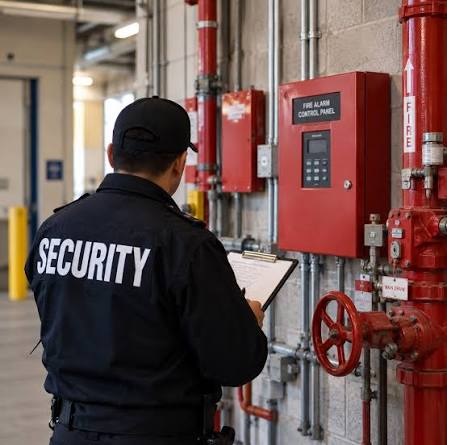
Routine observation is valuable in buildings with active operations, maintenance work, storage areas, or temporary equipment. Trained fire watch personnel can monitor designated spaces, recognize unusual conditions, and communicate concerns early. Their presence adds protection while supporting established safety procedures.
A dependable patrol schedule may include:
- Inspecting high-activity areas at planned intervals.
- Watching for smoke, sparks, unusual heat, or burning odors.
- Checking that combustible materials are stored appropriately.
- Confirming that fire doors and exits remain unobstructed.
- Reporting hazards promptly to the responsible contact.
- Recording patrol findings and completed actions.
Consistent coverage helps management identify recurring concerns and improve prevention practices.
Choosing Support That Matches Operational Needs
Commercial properties have different layouts, occupancy patterns, and working schedules. When evaluating fire watch companies near me, property managers can consider training, communication standards, staffing flexibility, patrol documentation, and the ability to follow building-specific procedures. A suitable service arrangement should complement the emergency plan.
Helpful selection considerations include:
- Experience supporting commercial environments.
- Personnel trained in observation and emergency communication.
- Coverage options for daytime, overnight, and temporary needs.
- Clear reporting methods and dependable supervision.
- Coordination with building management.
- Flexibility when activities or risk conditions change.
A thoughtful selection process supports dependable service and a productive working relationship.
Strengthening Everyday Readiness
Fire safety coverage works best when integrated with employee awareness and routine building management. Staff should know how to raise an alert, where to assemble, and whom to contact during an emergency. Regular reviews and practice exercises keep these steps familiar.
Managers can reinforce readiness by:
- Scheduling periodic safety briefings.
- Reviewing evacuation routes after layout changes.
- Checking emergency lighting and visible safety signs.
- Encouraging prompt reporting of unusual conditions.
- Updating contact details and response responsibilities.
- Reviewing patrol records for improvement opportunities.
Supporting Confidence and Continuity
Reliable fire safety coverage is an investment in people, property, and uninterrupted operations. Through consistent monitoring, trained personnel, clear procedures, and communication, commercial buildings can maintain stronger preparedness. A proactive approach helps protect daily activities while building a workplace culture centered on care, responsibility, and confidence.