Sustainable property development depends on creating buildings that support environmental responsibility, occupant comfort, and long-term structural performance. Vapor intrusion prevention plays an important role in achieving these objectives by controlling the movement of unwanted soil gases into indoor spaces. With proper planning, advanced engineering, and dependable protective measures, development projects can maintain healthier indoor environments while supporting lasting property value. Integrating preventive strategies during early construction stages also encourages efficient resource management and reliable building performance.
Proactive Planning for Effective Vapor Intrusion Prevention
Early environmental assessments provide valuable information about soil conditions, potential vapor pathways, and suitable protection methods. Incorporating these findings into development plans helps establish practical prevention strategies before construction begins.
Important planning considerations include:
- Environmental Site Assessments: Evaluating subsurface conditions helps identify areas requiring appropriate protective measures.
- Soil Gas Testing: Accurate sampling provides useful information about potential vapor movement.
- Building Design Integration: Including vapor protection in initial designs supports seamless construction coordination.
- Foundation Evaluation: Understanding foundation characteristics helps determine suitable prevention methods.
- Risk-Based Planning: Tailored strategies allow development teams to address individual property requirements effectively.
These measures create a strong foundation for responsible construction and sustainable environmental management.
Advanced Technologies Supporting Reliable Protection
Modern engineering technologies offer practical solutions for limiting vapor entry and maintaining suitable indoor conditions. Selecting appropriate systems according to site characteristics improves overall mitigation performance.
Several effective technologies contribute to dependable protection:
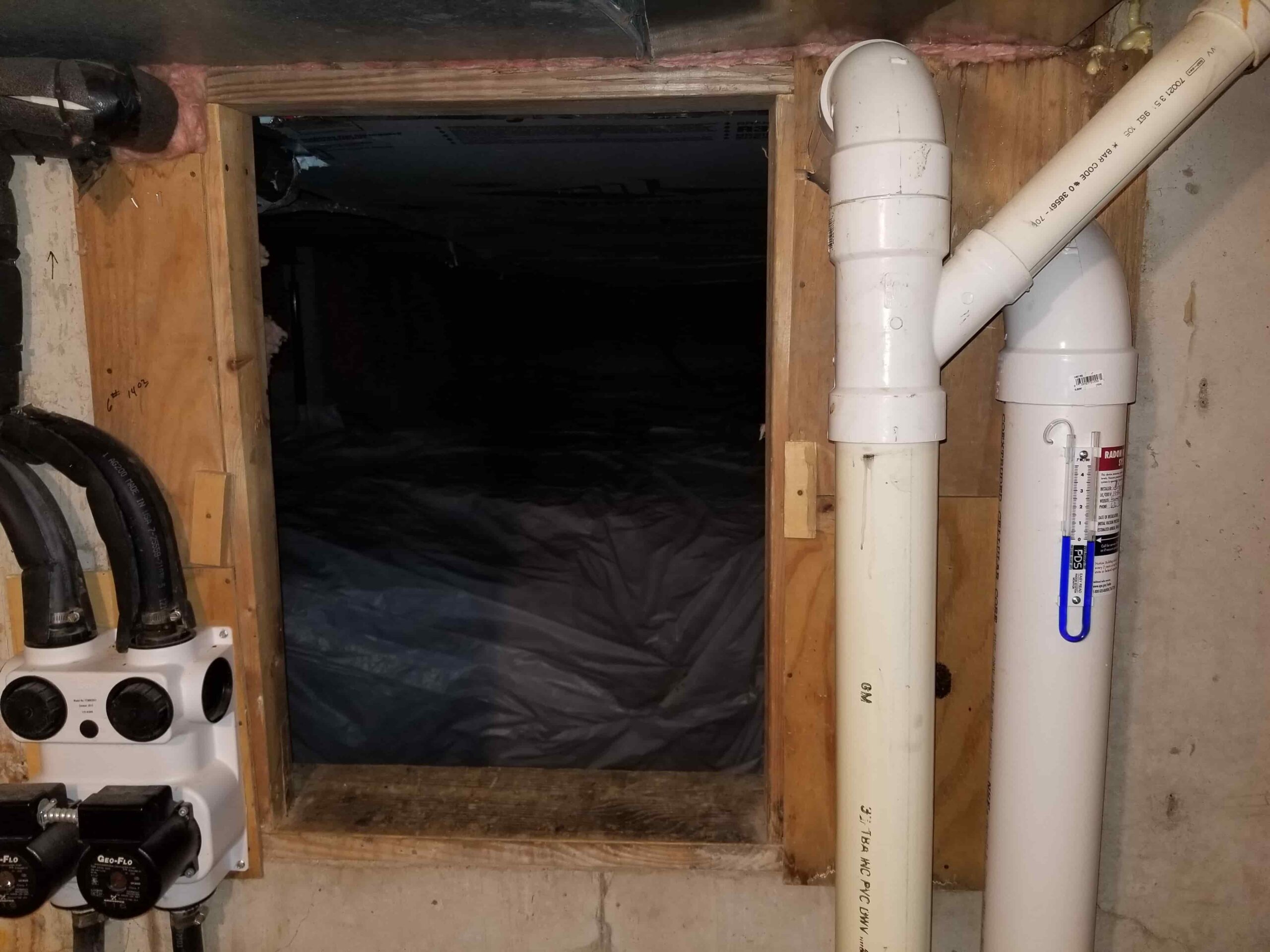
- Vapor Barrier Membranes: Durable materials create protective layers beneath building foundations.
- Sub-Slab Depressurization: Engineered systems help redirect soil gases away from occupied spaces.
- Ventilation Systems: Proper air circulation supports comfortable and healthy indoor environments.
- Gas Collection Networks: Strategically positioned collection points help manage subsurface vapor movement.
- Monitoring Equipment: Advanced instruments provide useful information about environmental conditions.
- Sealing Technologies: Specialized materials help minimize potential entry points around foundations and utility connections.
Combining these solutions allows projects to benefit from coordinated environmental protection and dependable building performance.
Sustainable Construction and Responsible Project Management
Integrating vapor intrusion prevention into sustainable construction practices supports efficient resource utilization and long-term property development goals. Careful coordination between design, installation, and maintenance activities improves project consistency.
Development teams can strengthen their approach through several practices:
- Selecting durable materials that provide dependable long-term performance.
- Incorporating energy-efficient ventilation and mitigation equipment.
- Following appropriate installation procedures and technical guidelines.
- Maintaining organized environmental assessment documentation.
- Scheduling regular inspections to evaluate system performance.
- Reviewing additional technical information through resources such as https://actoc.com/utah/ when exploring relevant environmental protection guidance.
These practices encourage informed decisions while supporting responsible construction management.
Long-Term Property Value Through Preventive Measures
Reliable vapor intrusion prevention contributes to sustainable property development by supporting indoor environmental quality and building durability. Regular maintenance, performance assessments, and timely equipment improvements help preserve the effectiveness of installed protection systems. Property owners can strengthen long-term results by monitoring environmental conditions, maintaining protective barriers, inspecting ventilation components, and addressing maintenance requirements promptly. Consistent attention to these activities supports dependable building operations.
By combining proactive planning, advanced technologies, sustainable materials, and ongoing evaluations, development projects can establish healthier indoor environments. Effective prevention strategies ultimately encourage responsible property growth, improved occupant confidence, and lasting environmental protection.