Physical movement plays an important role in children’s overall development. Engaging in enjoyable movement activities helps children build strength, improve coordination, and develop healthy everyday habits. Through playful exercises, energetic games, and creative physical experiences, children can explore their abilities while staying active. These experiences also encourage confidence, independence, and positive social interactions. Providing regular opportunities for movement makes childhood learning more enjoyable while supporting physical, emotional, and social growth.
Developing Strength Through Active Play
Active play gives children opportunities to use different muscle groups while enjoying exciting physical challenges. Running, jumping, climbing, and stretching help improve muscle strength and endurance. These enjoyable experiences encourage children to remain energetic and develop a positive attitude toward physical activity.
- Jumping games strengthen leg muscles and balance.
- Running activities improve stamina and endurance.
- Climbing exercises develop upper-body strength.
- Stretching movements support flexibility.
- Dancing encourages full-body movement and coordination.
Improving Balance And Body Coordination
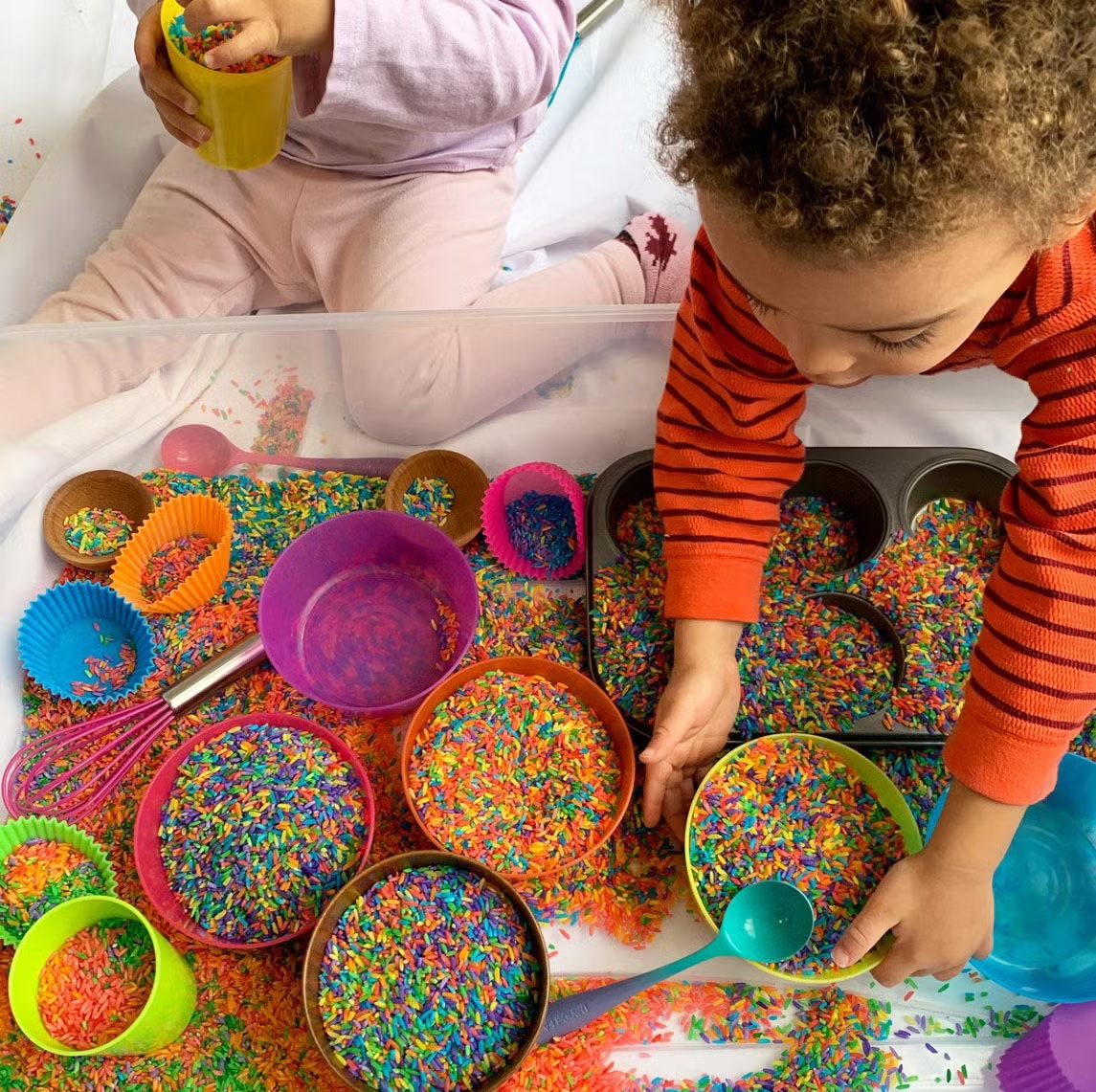
Balance and coordination are essential abilities that help children perform everyday movements confidently. Fun physical activities allow them to understand body positioning, control their movements, and develop better physical awareness. Regular practice makes these abilities stronger through enjoyable experiences.
Balance-focused activities can include walking along safe pathways, standing on one foot, following movement patterns, and participating in simple obstacle challenges. These experiences encourage concentration and controlled movement.
Encouraging Social Skills Through Group Activities
Group movement games create wonderful opportunities for children to interact, communicate, and develop friendships. Participating in shared activities teaches them how to cooperate, respect others, and celebrate collective achievements.
Children can enjoy several engaging experiences, including:
- Relay games that encourage teamwork.
- Circle games that develop group participation.
- Partner exercises that strengthen cooperation.
- Dance sessions that inspire shared creativity.
- Ball games that improve communication and coordination.
These activities make physical development more enjoyable while building positive social connections.
Supporting Healthy Habits Through Daily Movement
Introducing enjoyable physical activities into everyday routines helps children develop healthy habits from an early age. Consistent movement encourages active lifestyles and creates opportunities to enjoy different forms of exercise. It also supports relaxation, emotional balance, and overall well-being.
Parents and educators can encourage healthy routines through activities such as:
- Morning stretching and simple exercises.
- Outdoor play and energetic movement games.
- Music-based dance and action sessions.
- Fun movement challenges with friends.
- Relaxing cooldown activities after active play.
Building Confidence Through Physical Exploration
Every new movement experience gives children an opportunity to discover their abilities. Completing simple physical challenges creates a sense of achievement and encourages them to participate more confidently. Supportive guidance helps children appreciate their progress and enjoy trying different activities.
Engaging enrichment experiences, including those featured at https://lolatots.com/enrichment-programs/, can introduce children to enjoyable opportunities for movement, creativity, and skill development.
Creating A Foundation For Lifelong Wellbeing
Exciting movement activities offer valuable benefits that extend beyond physical fitness. They encourage children to become more confident, develop coordination, strengthen relationships, and appreciate active lifestyles. A positive environment filled with enjoyable physical experiences helps every child explore new abilities at a comfortable pace.
By making movement a natural part of childhood, families and educators can inspire healthy habits that support lifelong wellbeing and continuous development.