

Effective planning creates a strong foundation for controlling construction expenses. Before work begins, defining the project scope helps teams understand what needs to be completed, which resources are required, and how each stage should progress. Clear expectations also support smoother coordination throughout the project.
- Define project goals and expected outcomes.
- Identify required materials, labor, and equipment.
- Establish realistic completion milestones.
- Document important project requirements clearly.
Build a Detailed and Practical Budget
A detailed budget helps project teams allocate resources wisely and maintain better financial visibility. When costs are organized according to different construction stages, it becomes easier to track spending and make informed adjustments while maintaining project quality.
- Estimate material quantities carefully.
- Include labor requirements in the initial budget.
- Account for equipment and transportation expenses.
- Set aside a reasonable contingency amount.
- Review estimated costs before approving major purchases.
Plan Materials and Resources Early
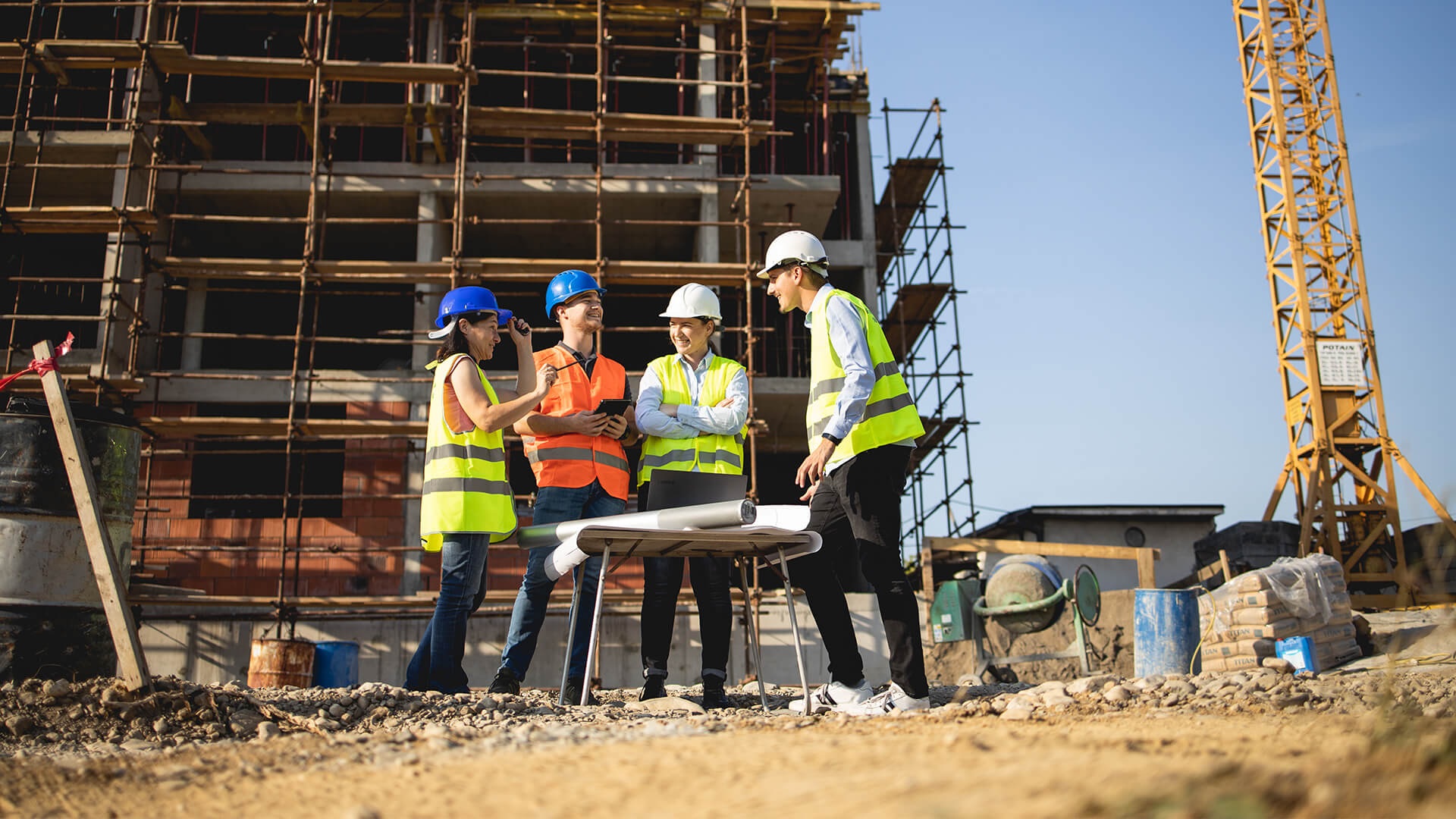
Material planning can contribute significantly to efficient construction management. Ordering the right quantities at suitable times helps reduce unnecessary expenses while supporting steady progress. Resource planning also ensures that workers and equipment are available when needed.
- Prepare material schedules before construction begins.
- Compare required quantities with project specifications.
- Coordinate deliveries with construction milestones.
- Monitor material usage throughout each phase.
- Organize storage areas to reduce waste and damage.
Create a Realistic Construction Schedule
A practical schedule allows teams to coordinate activities and avoid unnecessary delays. When tasks are arranged logically, each phase can support the next without creating avoidable interruptions. Better scheduling can also improve labor and equipment utilization.
- Set achievable deadlines for major activities.
- Identify tasks that depend on earlier work.
- Coordinate different teams around shared milestones.
- Review progress regularly against the planned schedule.
- Adjust upcoming activities when conditions change.
Manage Changes With Care
Project requirements can evolve as construction progresses. A structured approach to changes helps maintain financial control while allowing useful improvements to be considered. Reviewing the cost and timeline impact before approval can support better decision-making.
- Record requested changes clearly.
- Review material and labor implications.
- Consider schedule effects before implementation.
- Prioritize changes according to project objectives.
Maintain Regular Cost Monitoring
Consistent financial reviews help teams recognize spending patterns early. Monitoring expenses throughout commercial construction projects makes it easier to compare actual costs with planned amounts and maintain a balanced budget.
- Track expenses at regular intervals.
- Compare actual spending with estimates.
- Review remaining resources after each phase.
- Communicate budget updates with relevant team members.
- Use progress reviews to guide future spending.
Encourage Strong Communication
Clear communication connects planning, budgeting, scheduling, and execution. Regular discussions help teams stay aligned and create opportunities to address potential concerns before they affect project finances.
With organized planning, careful budgeting, thoughtful resource management, and consistent communication, construction teams can create a more predictable project environment. These practices support efficient progress, responsible spending, and strong outcomes while helping projects remain aligned with their original financial goals.