Industrial systems depend on valves that perform consistently under changing operating conditions. When designs follow recognized standards, engineers gain a dependable framework for selecting, installing, inspecting, and maintaining equipment. Standardization brings clarity to technical decisions and supports compatibility across connected components. A useful starting point for understanding these principles is https://www.vincervalve.com/valve-standards-guide/, which explains how shared requirements contribute to dependable valve solutions.
Creating Consistency Through Design Requirements
Standardized valve designs establish shared expectations for dimensions, pressure ratings, materials, connection types, testing methods, and product marking. Clearly defined details allow equipment to be evaluated against consistent criteria.
Key design benefits include:
- Predictable dimensions: Common measurements support smoother integration with piping arrangements.
- Suitable pressure ratings: Defined limits help match valves to operating conditions.
- Material clarity: Specifications support informed choices for different fluids and environments.
- Repeatable performance: Shared requirements encourage dependable operation.
- Clear identification: Standard markings make product information easier to review.
Together, these features reduce uncertainty during planning and equipment selection.
Supporting Compatibility Across Industrial Systems
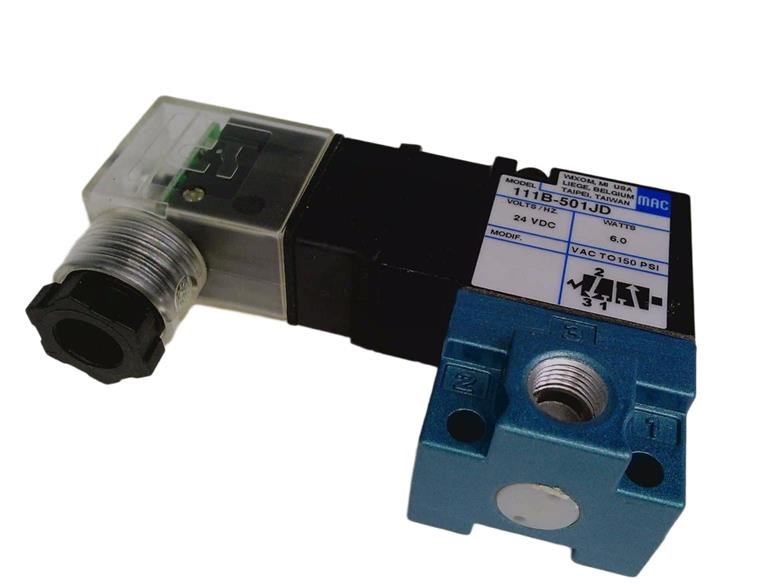
Facilities often contain equipment from different production batches and suppliers. Standardized designs make it easier to coordinate components without unnecessary custom adjustments. Consistent dimensions and connections simplify installation, replacement, and future upgrades.
Practical advantages include:
- Replacement valves can be selected using established dimensional and performance criteria.
- Maintenance teams can work with familiar design features and documentation.
- Engineers can compare alternatives through shared technical specifications.
- Procurement requirements become easier to communicate.
- Upgrades can be coordinated with existing piping arrangements.
This compatibility supports efficient project execution and continuity during routine maintenance.
Strengthening Quality, Inspection, and Maintenance
Reliability depends on initial design as well as inspection, testing, and ongoing maintenance. Standards provide structured methods for checking essential features before equipment enters service and during quality procedures.
A standards-based approach supports:
- Consistent testing: Defined procedures help verify pressure containment and seat performance.
- Traceable documentation: Inspection records make equipment history easier to follow.
- Efficient maintenance: Familiar components help teams prepare service activities.
- Better coordination: Shared technical language improves communication among project teams.
- Lifecycle planning: Product information supports replacement schedules and asset management.
These practices encourage careful decisions and dependable operating conditions.
Making Standardization Part of Everyday Planning
The value of standardized designs grows when requirements are considered early. Teams can identify operating pressure, temperature, flow needs, media compatibility, connection dimensions, and testing expectations before selecting equipment. They can then verify that the design suits its service conditions and that supporting documents are complete.
A practical checklist includes:
- Define operating and design conditions.
- Confirm applicable design, material, and testing requirements.
- Check dimensions and connections against piping specifications.
- Review inspection records, markings, and product documents.
- Plan periodic checks according to service demands.
Standardized valve designs create a strong foundation for industrial reliability through engineering consistency, compatibility, quality assurance, and maintainability. Clear requirements help organizations support stable operations, simplify equipment management, and make confident decisions as systems evolve. Continued attention to consistent selection and responsible maintenance, supported by resources such as https://www.vincervalve.com/fr/, reinforces a practical commitment to reliable fluid control.