Education

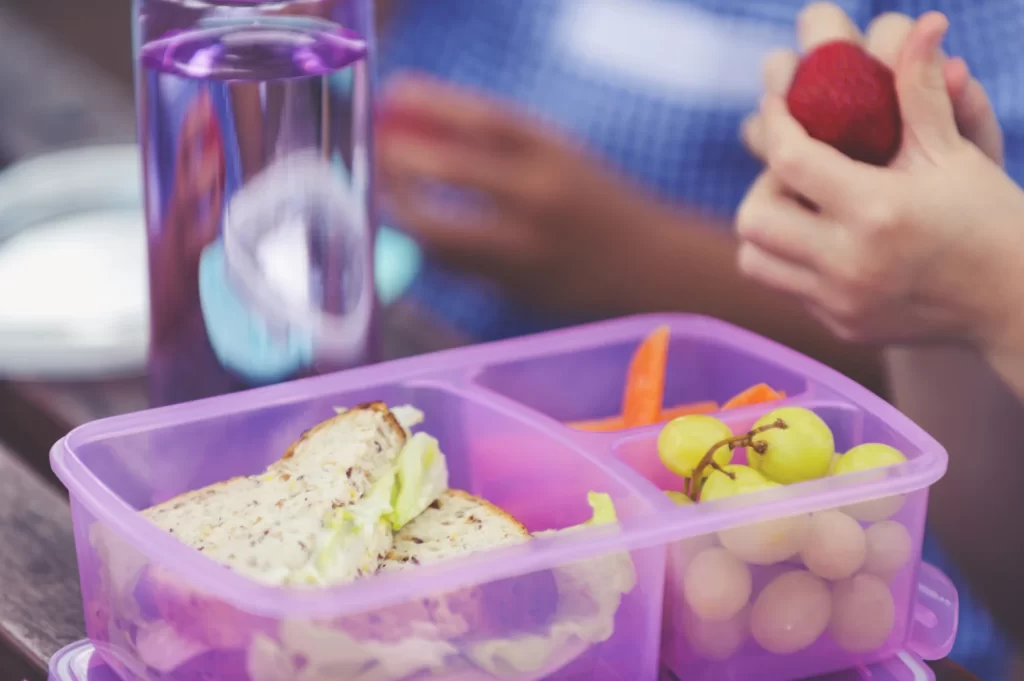
Wellness on the Menu – Wholesome Solutions for School Lunches

In recent years, the spotlight on children’s health and well-being has intensified, prompting a crucial reevaluation of school lunch programs worldwide. The significance of providing wholesome, nutritious meals to students cannot be overstated, as these formative years lay the foundation for lifelong habits and overall well-being. Recognizing the pivotal role that school lunches play in shaping the health of our younger generation, educational institutions are increasingly adopting innovative strategies to enhance the nutritional value of the meals served on campus. A shift towards incorporating locally sourced, organic ingredients has become a hallmark of progressive school lunch programs, fostering sustainability and supporting local farmers. By prioritizing fresh produce and whole foods, schools not only provide essential nutrients for physical development but also contribute to better cognitive function and concentration in the classroom. One key aspect of crafting a healthier school lunch menu is reducing the reliance on processed foods laden with artificial additives and excessive sugars. Many school districts are steering away from pre-packaged, convenience-driven options in favor of freshly prepared meals that align with nutritional guidelines.

learn more

This shift not only addresses concerns about childhood obesity and related health issues but also educates students about the importance of making mindful food choices. Incorporating a variety of colorful fruits and vegetables not only adds vibrancy to the plate but also ensures a diverse range of vitamins and minerals essential for growth. Introducing international flavors and cuisines can broaden children’s palates and encourage a love for diverse, nutrient-rich foods. Moreover, the emphasis on wellness in school lunches extends beyond the food itself. Schools are recognizing the significance of creating positive eating environments that promote mindful consumption and foster healthy relationships with food. Implementing initiatives such as school gardens and involving students in meal planning empowers them with a sense of ownership and connection to the food they eat. Additionally, incorporating educational components into the dining experience, such as nutrition workshops and cooking classes, equips students with the knowledge and skills to make informed dietary choices outside of school.

However, the journey towards a healthier school lunch program is not without its challenges. Budget constraints, logistical considerations, and varying taste preferences among students can present hurdles that require creative solutions and learn more. Collaborations with local community partners, government support, and engaging parents in the process are integral components of overcoming these challenges. In conclusion, the paradigm shift towards wellness on the school lunch menu represents a holistic approach to nurturing the health and development of our future generations. By prioritizing fresh, locally sourced ingredients, minimizing processed foods, and creating educational initiatives around nutrition, schools are not only contributing to the physical well-being of students but also instilling lifelong habits that promote a culture of wellness. As the awareness of the profound impact of school lunches on overall health grows, the quest for wholesome solutions continues to evolve, creating a brighter, healthier future for our children.

Exploring the World through Play with Preschool Curriculum Insights

Exploring the world through play is a cornerstone of effective preschool education, fostering holistic development in young minds. A well-designed preschool curriculum recognizes the innate curiosity and boundless energy of preschoolers, channeling these qualities into purposeful and engaging activities. The primary goal is to create an environment that seamlessly blends learning with play, allowing children to discover the world around them in a natural and enjoyable manner. One key aspect of a successful preschool curriculum is the incorporation of thematic units that cater to a child’s varied interests. These themes could revolve around seasons, animals, community helpers, or other relatable topics. By organizing activities and lessons around these themes, educators can ensure that each aspect of a child’s development is addressed. For instance, a unit on animals might involve storytelling sessions about different creatures, art projects to create animal masks, and even a visit from a local zoo or a virtual tour, providing a multi-sensory experience that enhances cognitive, emotional, and social development.

Preschool Excellence

Hands-on experiences and sensory play are essential components of a preschool curriculum, allowing children to engage with their surroundings in a tactile manner. Activities such as finger painting, exploring various textures, or even simple science experiments stimulate sensory perception, fine motor skills, and creativity. These activities not only make learning enjoyable but also lay the foundation for future academic success by enhancing cognitive abilities and problem-solving skills. In addition to thematic units and hands-on activities, social interaction is a crucial element of preschool education. Group activities and cooperative play teach children valuable social skills, including communication, sharing, and teamwork. Through play, preschoolers learn to navigate social dynamics, understand emotions, and develop empathy. These skills are fundamental for building positive relationships and establishing a strong foundation for future academic and personal success.

Language development is another critical focus of a preschool curriculum. Reading aloud, storytelling, and incorporating rhymes and songs into daily activities contribute to language acquisition and literacy skills. Play-based learning allows children to absorb language naturally, expanding their vocabulary and comprehension in a way that feels organic enjoyable and Go to website. In conclusion, exploring the world through play is a dynamic and effective approach to preschool education. A well-rounded curriculum that combines thematic units, hands-on experiences, social interaction, and language development provides a rich and stimulating environment for young learners. By recognizing the innate curiosity and playful nature of preschoolers, educators can instill a love for learning that will benefit children throughout their academic journey and beyond, setting the stage for a lifetime of curiosity and exploration.